SMR & body education
Before we fix how you move, we teach you what you're working with. Self-myofascial release builds body awareness and improves tissue quality. You learn to use the tools correctly, so the work continues without me.
Corrective exercise and movement education in Raleigh, North Carolina. Built on assessment, not guesswork.
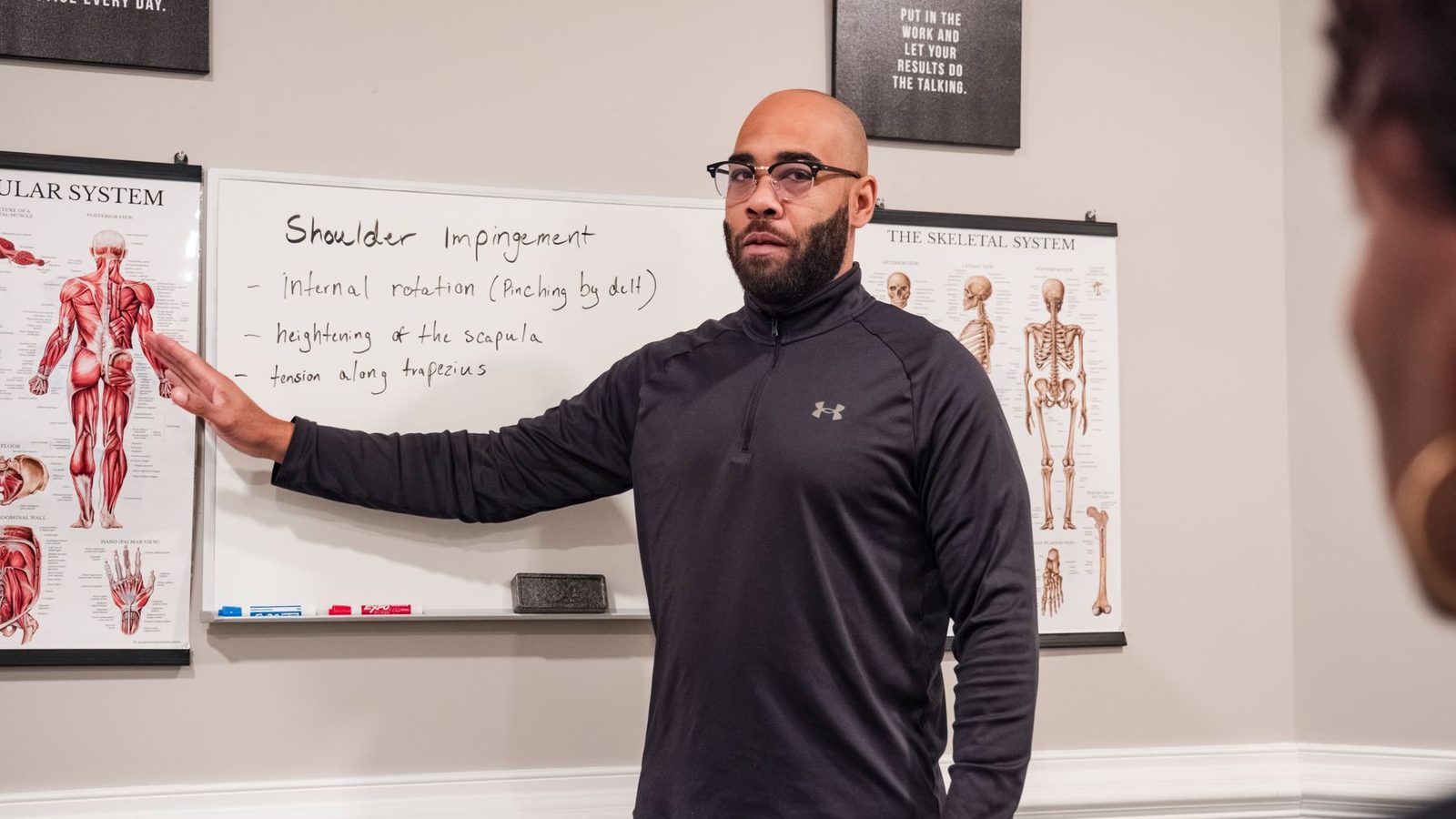
Most people don't need a more complicated program.
They need someone to find the real problem first.
EPF Wellness Consulting exists to close the gap between what clinicians know and what you can actually do on a Tuesday morning at home. Assess. Re-educate. Apply it to your life.
No overcomplicated protocols. Just three steps, run in order, every time.
Before we fix how you move, we teach you what you're working with. Self-myofascial release builds body awareness and improves tissue quality. You learn to use the tools correctly, so the work continues without me.
We retrain movement patterns, activate the muscles that stopped doing their job, and correct the compensations underneath the pain instead of chasing the spot that hurts.
We make sure everything we build fits your home, your schedule and your real life. Simple. Sustainable. Yours.
Collaborating with fitness, wellness and holistic professionals across the U.S.
Corrective Exercise Specialist, National Academy of Sports Medicine
Disciplines coordinated as former Director of Rehabilitation
Serving Raleigh and the greater Triangle, plus remote consulting
Your clinician signed off. The pain is gone. But something in how you move hasn't come back yet, and nobody is looking at it anymore. This is the gap EPF was built for.
The same tightness, the same side, every few weeks. Recurrence usually means the thing you've been treating isn't the thing causing it.
Range you can't control isn't range you keep. If stretching alone were enough, it would have worked by now.
Coming back from a layoff, a season, a surgery or a busy year. Building back on top of an old compensation is how people get hurt twice.
For active aging adults, the goal isn't a personal record. It's staying independent and confident doing the things you already like doing.
For practices and organizations: your staff has the knowledge. The handoff into the client's real week is where it breaks down.
Corrective exercise built around your training, recovery and competition calendar, so the work supports the season instead of interrupting it.
Program design and staff education for practices and organizations building movement and wellness services that hold up after the patient walks out.
Strength, mobility and confidence for everyday life. The goal isn't a personal record. It's staying independent and doing what you like doing.
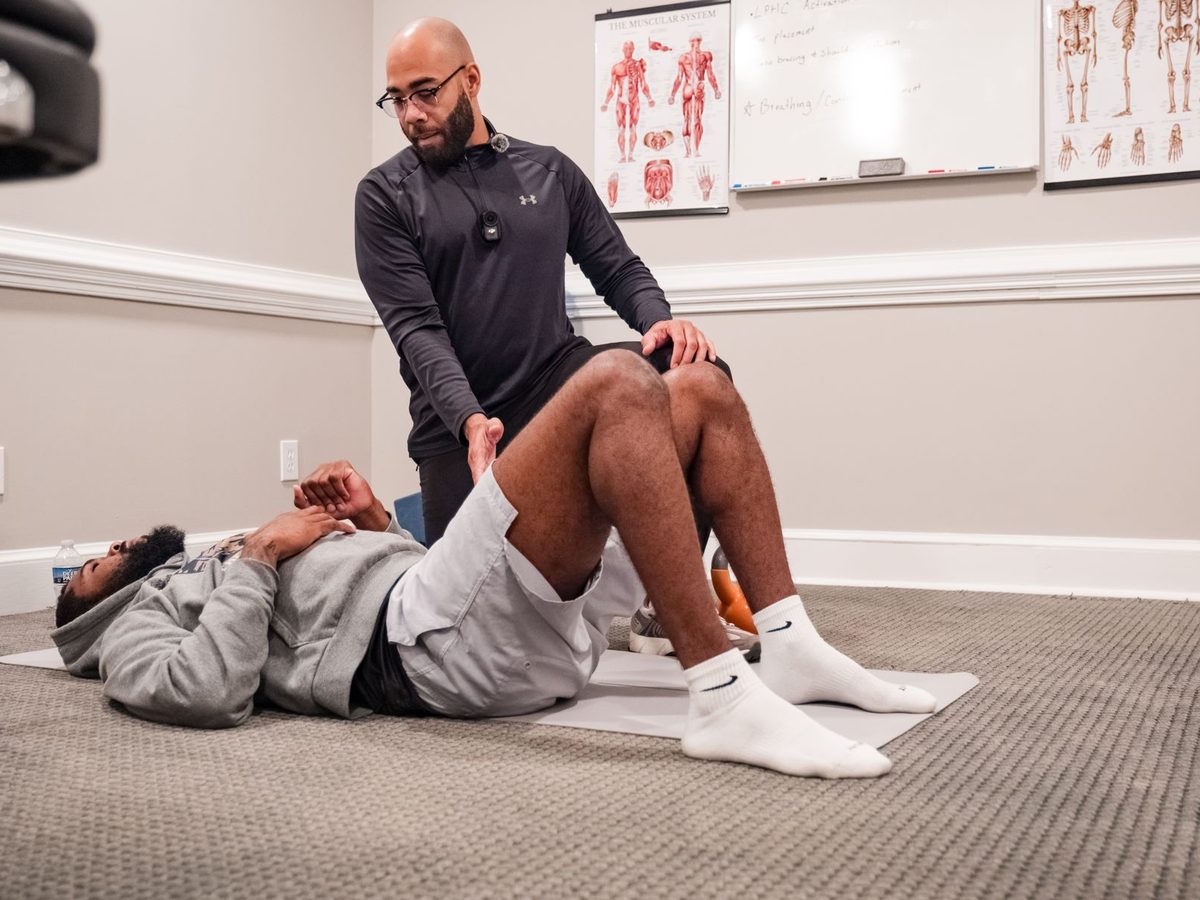
Assisted stretching is used to improve range of motion, reduce tension and support long-term mobility, then paired with the SMR and corrective work that makes the change stick.
Handing you exercises before we've looked at how you move is guessing with extra steps. The assessment is the work; the program is the output.
If you don't know why you're doing something, you'll stop doing it the first week things get busy. Education isn't a bonus here. It's step one.
Fewer movements, done correctly, in the time you actually have. Complexity is usually a sign the assessment wasn't specific enough.
It doesn't replace it. If something belongs with a physician, physical therapist or another provider, I'll say so and help you get there.
“Practical, people-first care that connects what practitioners know to what you can actually do.” Eric Paige, NASM-CES · Founder, EPFfitness LLC
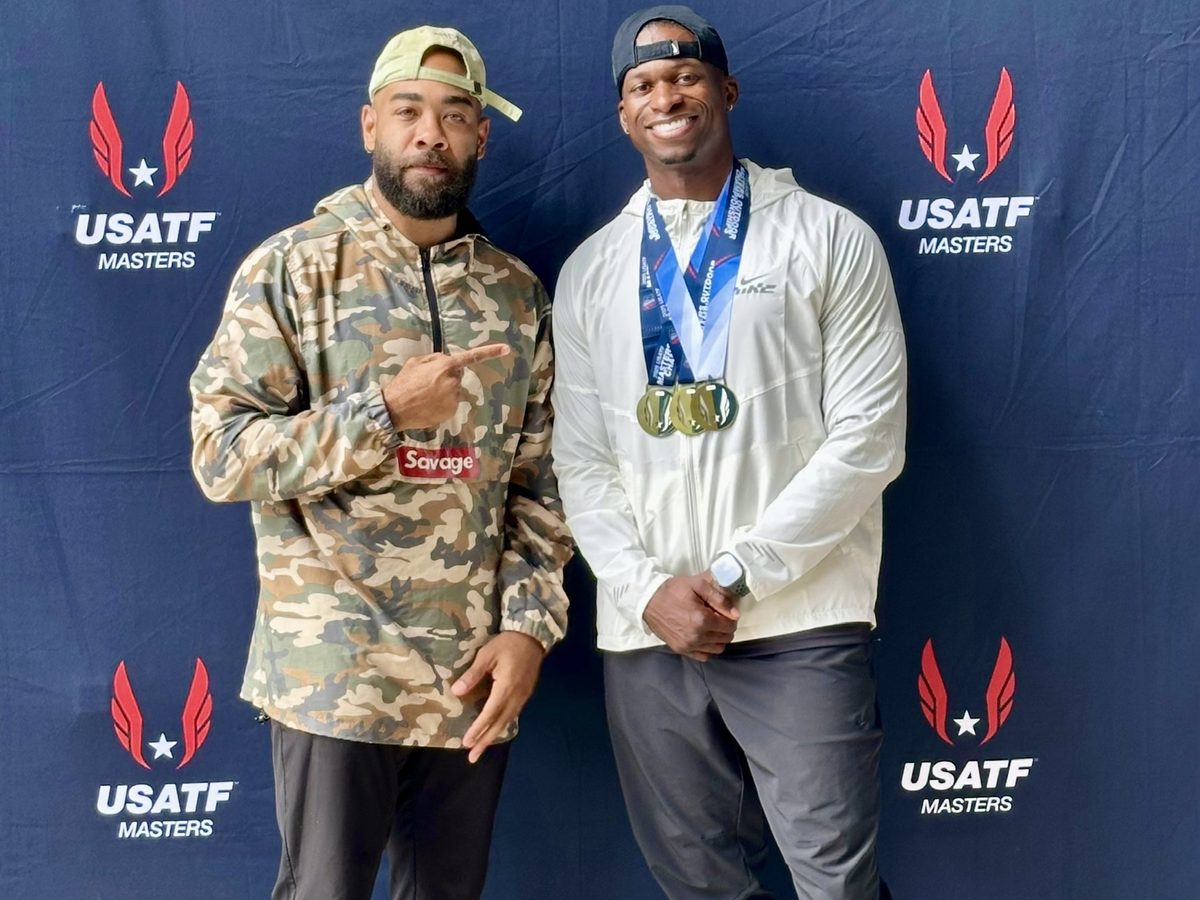
I work with clinical teams and athletic organizations on the practical side of movement, translating what your staff already knows into frameworks their clients will actually use.
Short answers: no, and no. The FAQ covers what a first session looks like, what to wear, how this fits alongside clinical care, and what corrective exercise can and can't do.
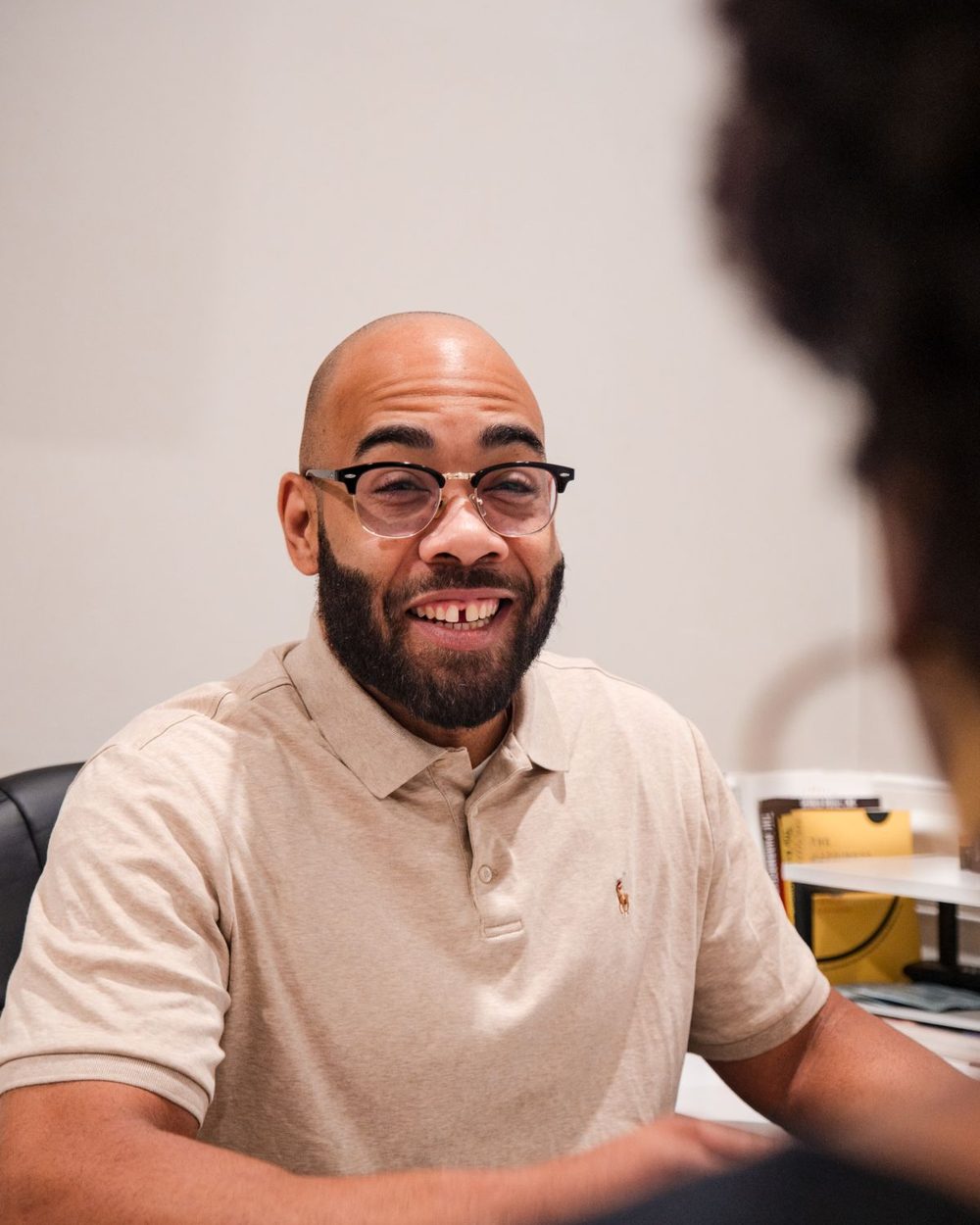
No program, no pitch. Just a look at what you're working with and whether this is the right fit.